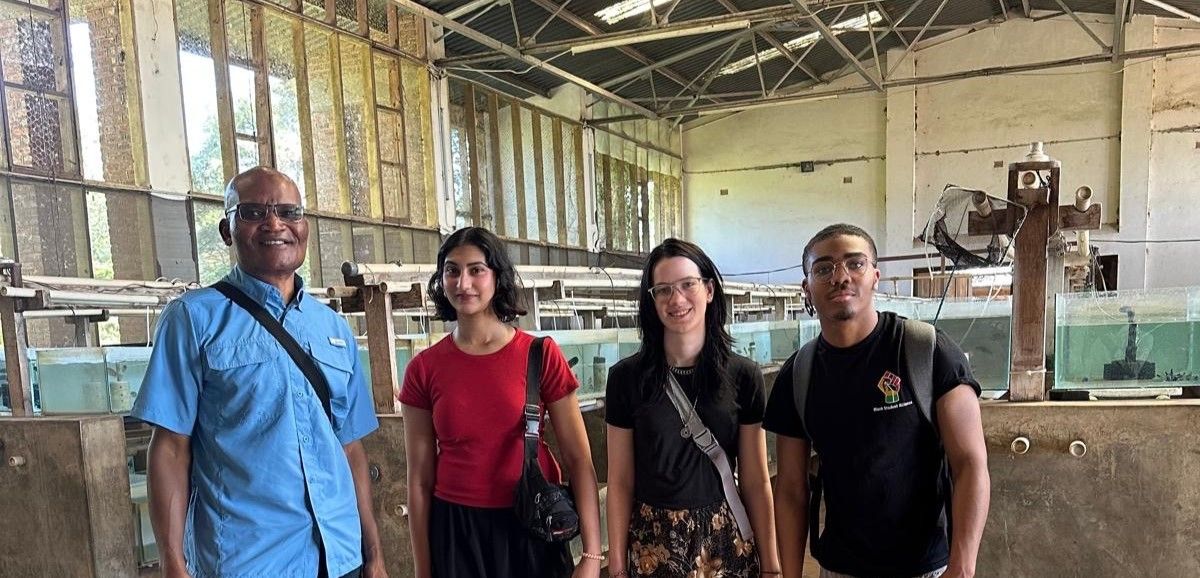
MSU’s Center for Gender in Global Context (GenCen) has sponsored several opportunities for students to study gender, sexuality, and intersectionality abroad, but one of the center’s more unique programs is the Malawi Summer Internship which focuses on development and nongovernmental organizations (NGOs). Students could participate in an internship relating to gender studies with NGOs in Malawi, even if they did not have a major or minor within GenCen.
“I’m really interested in healthcare [...] so I wanted to do something healthcare related, and infectious disease has always been a particular interest of mine,” said Ishu Kudapa, a fourth-year student studying human biology with a minor in creative writing. “I reached out, and they said you can do whatever you want, ‘cause they work with NGOs in Malawi, the program. So, they said I could work with an infectious disease-related NGO. And, I would be like the only intern there, so that would have been a lot of work and that would have been really cool.”
The program runs for seven weeks in the summer and was led this past summer by Dr. Leo Zulu, a professor in the Department of Geography, Environment, and Spatial Studies and director of the African Studies Center. The first week of the program was dedicated to exploring the country’s tourist sites.
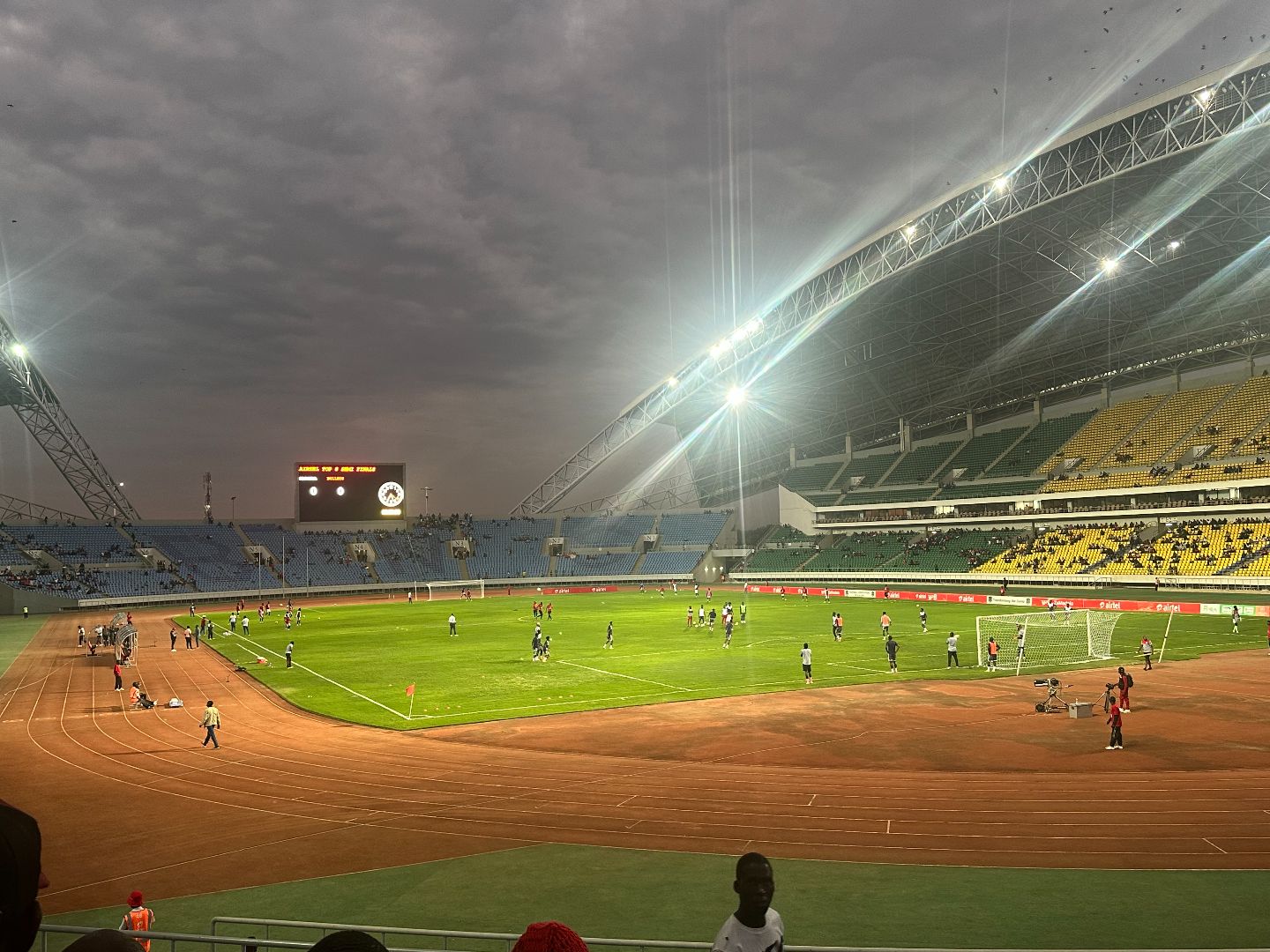
“The first week [...] we spent traveling the country,” Kudapa said. “We went to a tropical fish farm, and we went to the lake, and we did a lot of lake activities, and then we went to a cottage in the middle of the countryside which was very nice.”
After the first week, the students were paired with the NGOs they would be working with in Lilongwe, Malawi’s capital city. Each student worked with a different NGO related to their individual interests. “We wrote policy briefs, parliamentary briefs, we did reports to parliamentary members, we had meetings with them. We were doing a lot of tuberculosis-focused policies. Men have really high rates of tuberculosis in a lot of countries, but especially Malawi and Uganda and Kenya, which were the countries we were focusing on. And then, we had another project where we were focusing on implementing better primary healthcare systems. A lot of diseases can be prevented before they get to really bad stages, and it’s really simple measures that can fix that, so we were trying to do more work for that,” Kudapa said. “Meeting with Congress in America feels like a bigger ordeal and really hard and there’s a lot of steps to overcome to get to that point. But, ‘cause it’s such a small country and we were in the capital city and I was working with such a big NGO, everything felt really organized already, so it was really great to be able to meet with them and to get to see the policies that we were working on get implemented.”
The Malawi Internship gave students an opportunity to explore how gender impacts their field of study in different societies and cultures. Kudapa found that the NGO she interned for had experienced significant funding cuts, which meant that they had to focus on diplomacy rather than private investment to affect change.
“Traditional gender roles, which are still firmly established in urban life in Malawi (as well as in rural) can affect this since men can be looked down upon or seen as violating societal norms when seeking care,” Kudapa said. “A lot of ailments in the country are HIV/AIDS-derived, including most TB cases in Malawi (of which there is a higher prevalence in men due to the reluctancy to seek care), so there is a connection made to pre-marital sex, which is a big no-no in a socially conservative country. If a greater financial budget was assigned to PHC/UHC [primary health care/universal health care] establishment, there would be an increased focus on prevention rather than treatment. In addition to improving infection/illness rates across the population, this would also encourage men to seek care as less stigma is associated with preventative methods.”
The internship also allowed students to learn in a more direct and hands-on environment than they would necessarily be exposed to in a classroom. The chance to work directly with NGOs in a topic they are interested in and have professional aspirations for was unparalleled for the students involved.
“I think a lot of the coursework we do here, it’s lecture based and then you just absorb the information and then you put it in tests, and that’s the whole system, whereas when you go to a country that you’ve never been to or that most people haven’t heard of, you’re working with local people, and it’s just firsthand experience,” Kudapa said. “For Malawi specifically, there’s so much freedom in choosing what you want to do and where you want to work with. And it’s a smaller program, so if size matters to people, you get to know your fellow students more.”
The application deadline for the Summer 2026 Malawi Summer Internship is at 11:59 p.m. on Feb. 14, 2026.

EVENT
Staying Safe and Healthy Abroad
April 15, 2026

NEWS
Graduate Voice: Why International Research Matters
EVENT
Global India Awards
April 18, 2026

NEWS
International Awards recipients announced for 2026