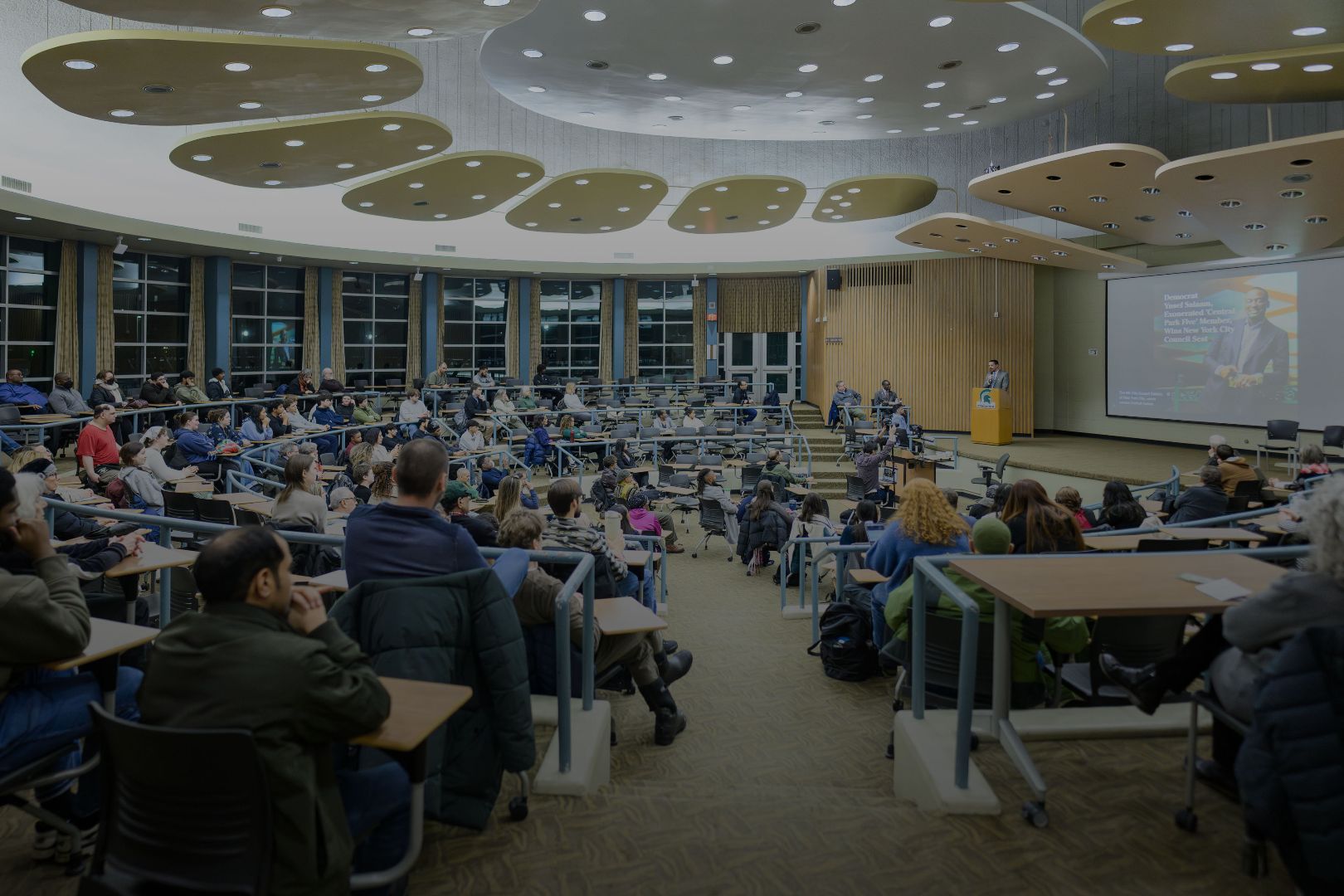
Michigan State University is celebrating two decades of the Muslim Studies Program — an interdisciplinary effort housed in International Studies and Programs (ISP) with its academic minor in James Madison College. Created in the years following 9/11, the program’s evolution stems from a proactive effort to combat rising Islamophobia and address critical gaps in global education.
In the wake of Sept. 11, 2001, MSU President Peter McPherson and Provost Lou Anna Simon expressed deep concern about the event’s impact on the student body. University leadership sought to get ahead of anti-Muslim prejudice through proactive education and institutional support.
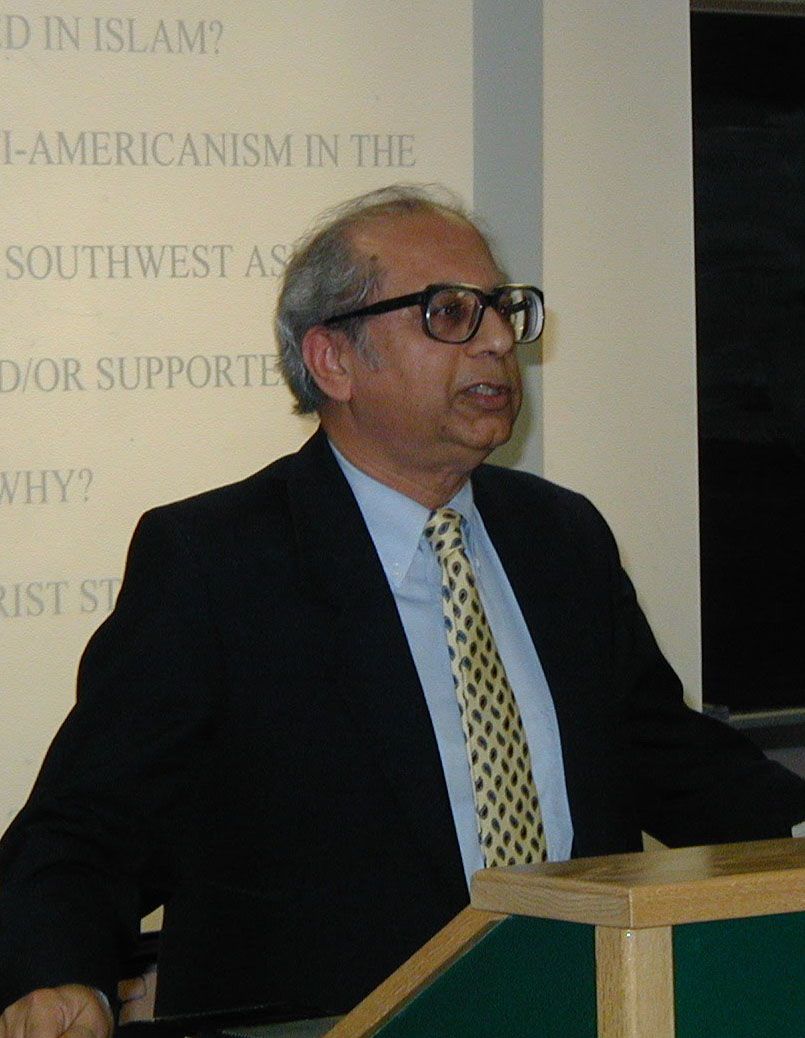
“They were worried about the negative impact of the event and wanted to avert this, immediately consulting with college deans and with me,” said Mohammed Ayoob, University Distinguished Professor Emeritus and former coordinator of the program.
Sherman Garnett, then-dean of James Madison College and current professor of international studies, led early efforts to develop educational programming for the campus community. Between 2002 to 2005, Ayoob organized a lecture series featuring prominent scholars examining issues across the Middle East and the broader Muslim world.
During this time, James Madison College established a specialized track in Muslim Studies.
“The provost wanted to call it Islamic Studies, but I persuaded her and Sherm Garnett to call it Muslim Studies,” Ayoob noted. “We did not have sufficient expertise on Islamic theology and law, and I wanted the program to focus on the lived experiences of Muslim societies.”
To build momentum, Ayoob launched the program’s flagship course, “Islam in World Politics,” in fall 2003. Capped at 60 students, the course remained consistently filled throughout Ayoob’s 10-year tenure as instructor.
This sustained student interest helped convince leadership to dedicate seed funding for a formal program within ISP.
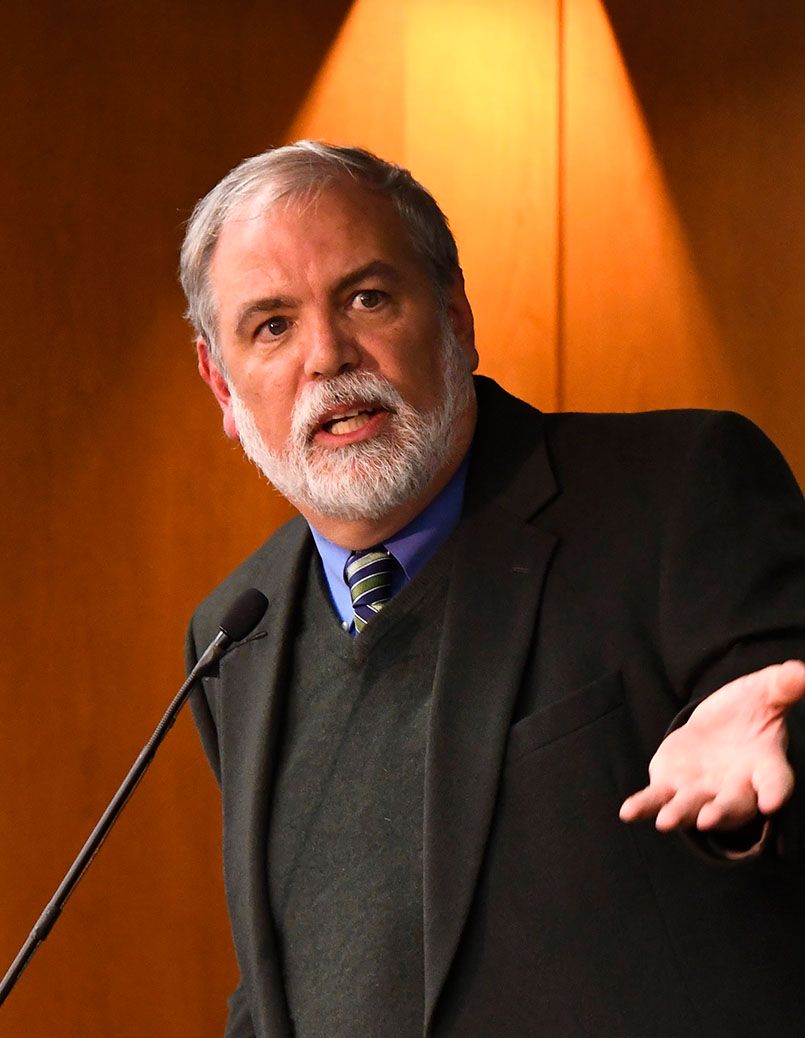
“In the years between 9/11 and the founding of the Muslim Studies Program, Mohammed and others helped me understand that a few universities had established programs in Near Eastern Studies, centers for Middle Eastern Studies, or departments of Near Eastern Languages and Literature,” said former ISP Dean Jeff Riedinger, who helped secure institutional support.
“Following 9/11, I also learned there were virtually no members of the U.S. government who spoke Pashto or other less commonly taught Middle Eastern languages. This revealed a serious gap in American higher education.”
By 2005, a Muslim Studies faculty cluster across five departments — James Madison, history, anthropology, sociology and political science — had been sanctioned by the university.
“Professor Ayoob had the ear of the provost and the respect of the college, the larger university and his scholar-peers throughout the world,” Garnett wrote in a retrospective statement. “He defined the initial scope and structure of the program, ensuring our first steps expanded our scholarly reach by bringing experts to campus.”
The cluster hire proved fruitful and helped attract many scholars who have joined the faculty in the past 20 years, swelling the membership of the Muslim Studies Program.
In April 2006 —a few months before the Muslim Studies Program officially commenced — MSU hosted its inaugural Muslim Studies Conference: “Understanding Wahhabism.”
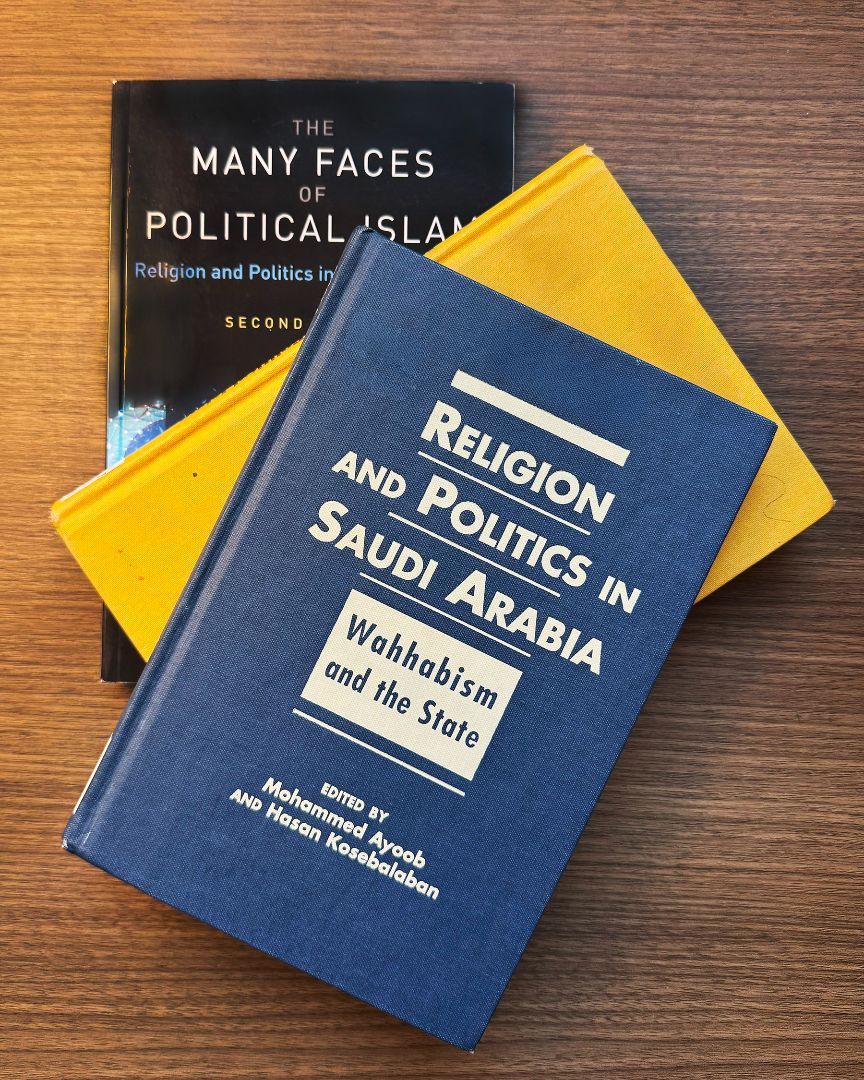
The conference addressed the heightened national interest in Wahhabism, a form of Islam practiced in Saudi Arabia, following 9/11.
“There was a need to examine the interaction between religion and politics in the Saudi state,” Ayoob explained. “Fifteen of the 19 hijackers were Saudi nationals, making Saudi Arabia a focal point of public concern even as its regime remained a key U.S. ally.”
Following the success of the conference, the Muslim Studies Program launched in the fall. For students arriving on campus that semester, the program offered new opportunities and a sense of hope.
Nada Zohdy was a freshman that fall. “I remember being delighted when I learned I could pursue a specialization in Muslim Studies,” Zohdy recalled. “I came to MSU as one of many Muslim Americans who came of age in the wake of 9/11 and felt a deep calling toward public service. Professor Ayoob’s class was a formative moment in my journey — it was my first exposure to the world of public policy and piqued my curiosity about bridging historical, cultural and socio-political academic analyses into governing and diplomacy.”
Zohdy’s experience reflected a broader student demand that sustained the program through its first decade. While it focused heavily on the Middle East to contextualize post-9/11 geopolitics, the program has continuously broadened its geographic and cultural range.
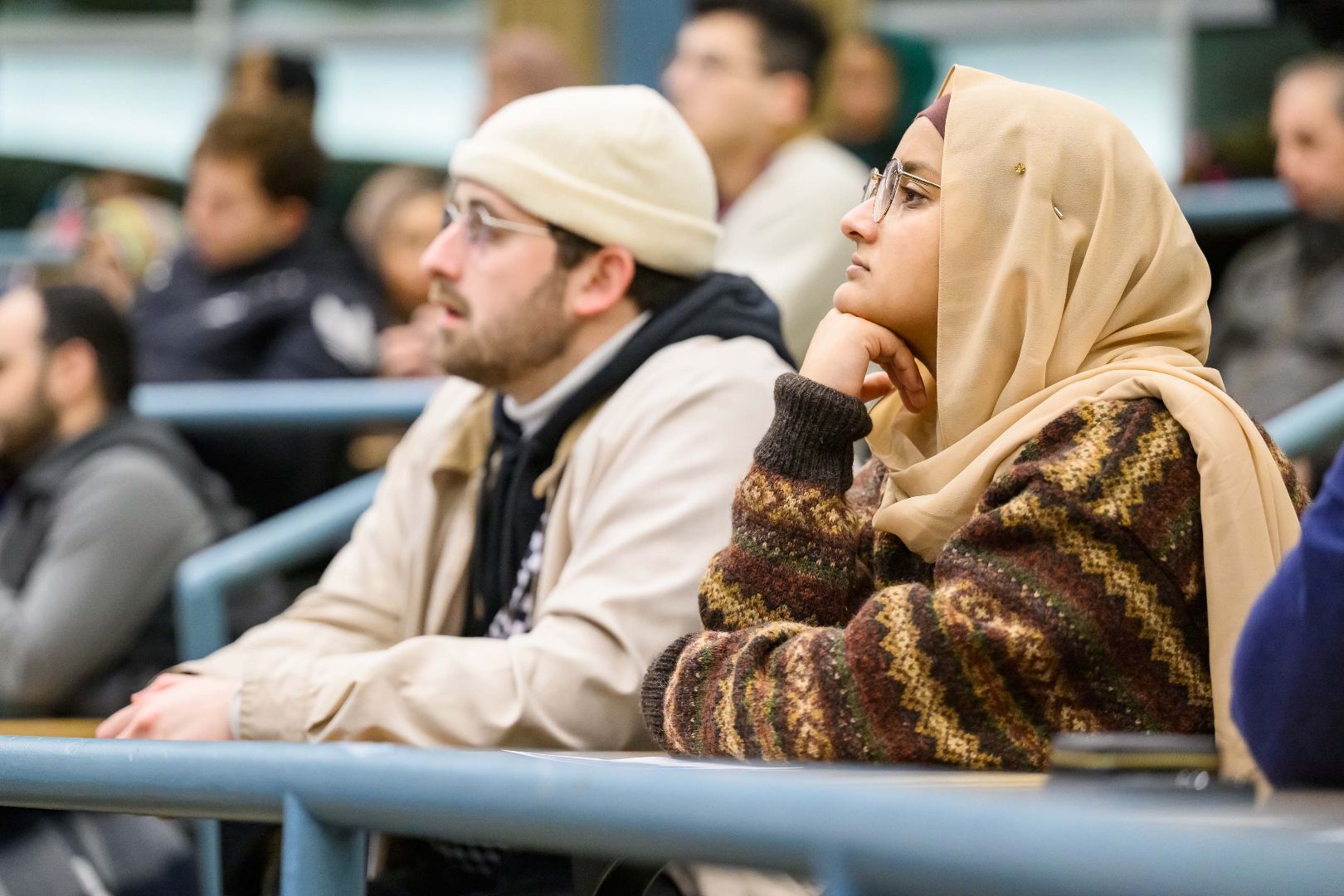
Following Ayoob’s decade of leadership and retirement, Mohammad Khalil, professor of religious studies in the College of Arts and Letters, took over as director in 2013.
“The program’s scope has expanded to encompass various regions of the world,” said Khalil. “While many events involve the Middle East in some way due to ongoing geopolitical events, our focus is global.”
Under Khalil’s leadership, the program hosts an extensive annual calendar, including the annual Malcolm X Forum, the Malcolm and Ann Kerr lecture, a student research showcase and the Muslim Journeys series. This September and October alone, the program is organizing or co-sponsoring eight events.
Beyond campus lectures, the program provides practical resources like the Ramadan Guide, collaborates with area studies centers such as the African Studies Center and Asian Studies Center, and provides funding through faculty research and conference travel grants and student scholarships.
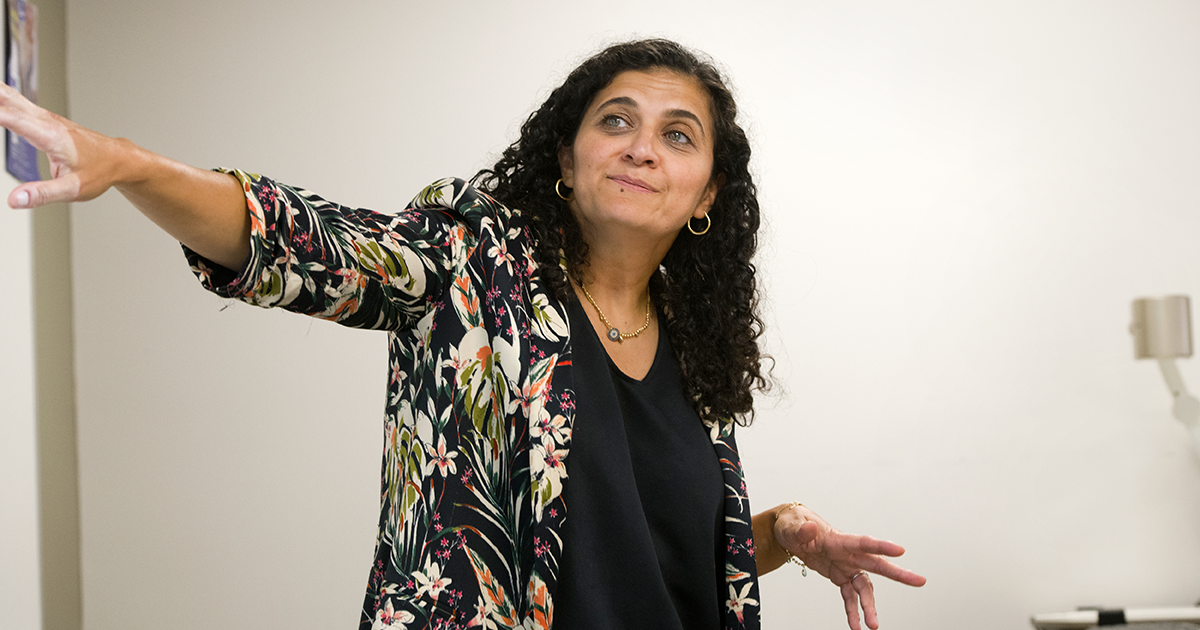
“Muslim Studies brings practical career skills and a deeper understanding of the world to fields across the university,” said Linda Sayed, associate professor in James Madison and core faculty member.
That interdisciplinary reach has allowed the program to serve as an incubator for broader university initiatives, including the Middle East and North African Faculty and Staff Association (MENA-FSA), and the Arab and Arab American Education Initiative endowment. For Sayed, that institutional backing created space for tangible community building.
“Muslim Studies gives me a home,” Sayed notes. “It helped me find community and changed how I saw my place here at MSU. That sense of belonging gave me the confidence to step into MENA-FSA and the Arab and Arab American Education Initiative — it’s really the foundation behind both.”
The program’s influence is apparent across the university as core and affiliated faculty now span nine colleges with faculty expertise that extends beyond the social sciences and into life sciences, law, literature, communication and arts.
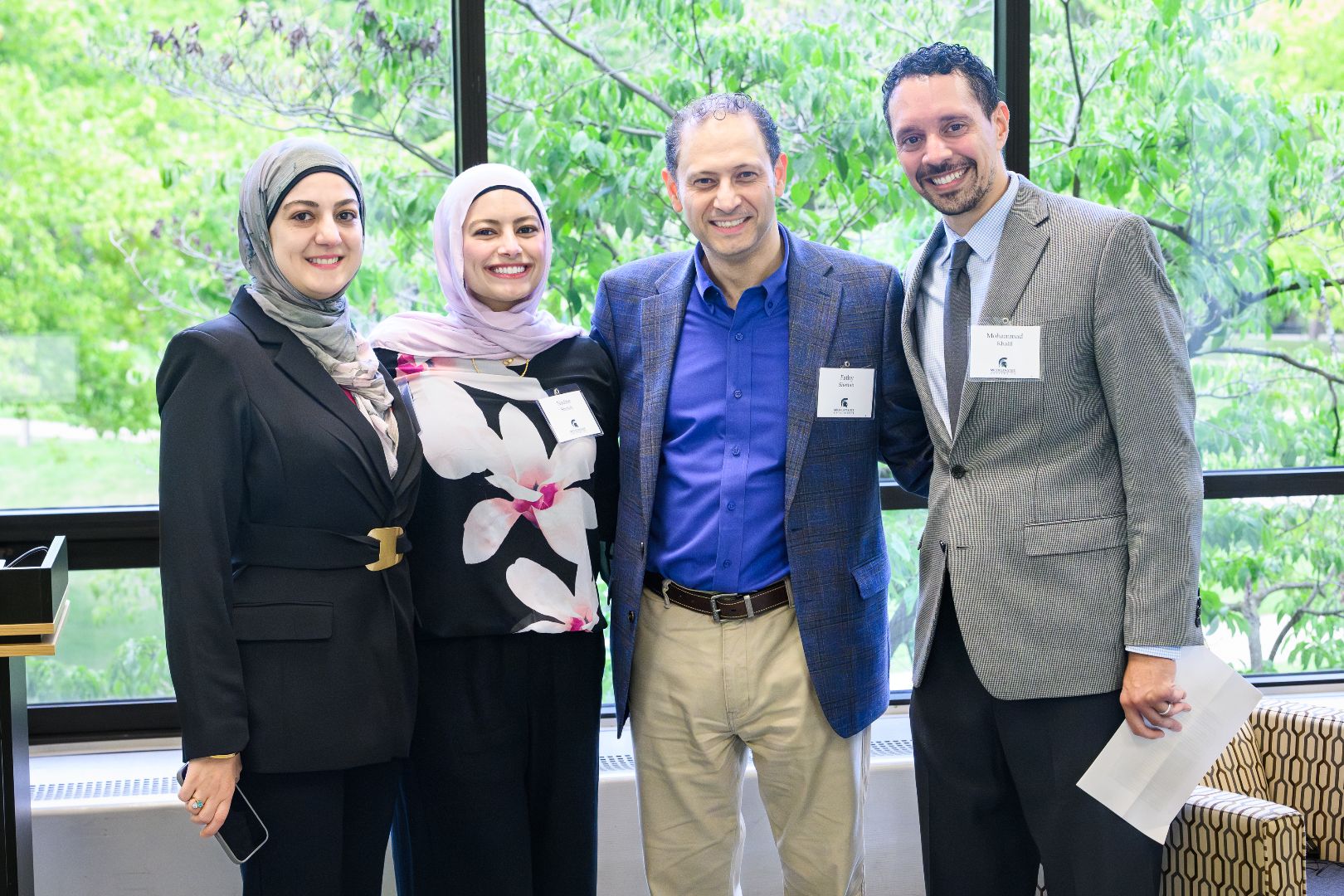
During the Board of Trustees meeting held on Sept. 11, 2026, President Kevin M. Guskiewicz highlighted the Muslim Studies Program in his remarks commemorating the impact of 9/11.
“As a globally engaged institution, we also recognize the profound impact on Muslim and Arab American communities and the importance of fostering understanding across differences. This is particularly critical for a university where we believe that learning and scholarship can help us confront misinformation, fear and division.
“This year also marks the 20th anniversary of the Muslim Studies Program. For two decades, the program has brought scholars, students and communities together to deepen understanding of Muslim societies and cultures through teaching, research and public engagement,” Guskiewicz said.
The program will celebrate its anniversary, featuring founding coordinator Mohammed Ayoob, at 3:30 p.m., Sept. 18 in the International Center.
“My hope is the program will continue to grow and be even more impactful in the years to come,” said Khalil. “We have an important mission, and that is to serve as a source of information and to promote critical thinking.”
EVENT
Global Learning Expo
October 8, 2026

NEWS
Photo contest celebrates international engagement
EVENT
A Conversation on Global LGBTQIA+ Experiences
October 7, 2026

NEWS
Celebrating 20 years of Muslim Studies at MSU